Evidence-based Practice in Relieving Musculoskeletal Symptoms in Breast Cancer Patients Undergoing Endocrine Therapy

It all began with patients’ real struggles. Aromatase inhibitors (AIs) are a key treatment approach for patients with hormone receptor-positive breast cancer, but often, these inhibitors become a source of suffering. A patient once shared, “Every step feels like carrying lead in my knees; even combing my hair is a struggle.”
Background
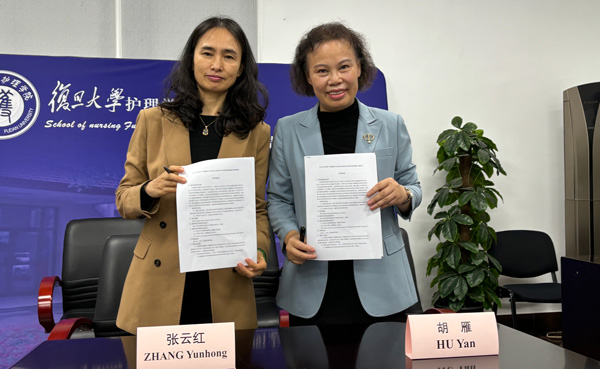
An estimated 20%–74% of breast cancer patients undergoing treatment with AIs suffer from musculoskeletal symptoms such as joint pain and stiffness, resulting in diminished quality of life. This has led many patients to discontinue treatment prematurely, threatening survival outcomes. "We’ve heard patients say, ‘Waking up with fingers as stiff as sticks, bending them feels like being pricked by needles,’" says Prof. Yan Hu, the director of the JBI Fudan Centre for Evidence-based Nursing. "These stories drove us to develop a solution that bridges cultural divides and delivers tangible impact."
Although there is clear evidence for managing AI-related musculoskeletal symptoms, persistent challenges hinder the effective translation of the evidence into practice. Evidence-based guidelines recommend strategies such as exercises, nutritional support, and health education to manage musculoskeletal symptoms. However, the barriers to applying evidence in practice are associated with non-standardised clinical practices, limited awareness among healthcare providers of the guidelines, and adaptability challenges arising from diverse cultural backgrounds.
The project
Rooted in evidence, this project used a multicentre comparative study design to evaluate the effectiveness of an intervention in relieving musculoskeletal symptoms in breast cancer patients undergoing endocrine therapy.
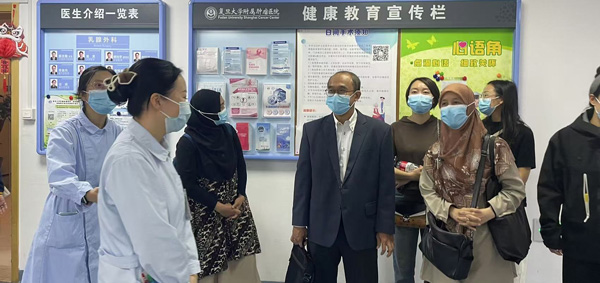
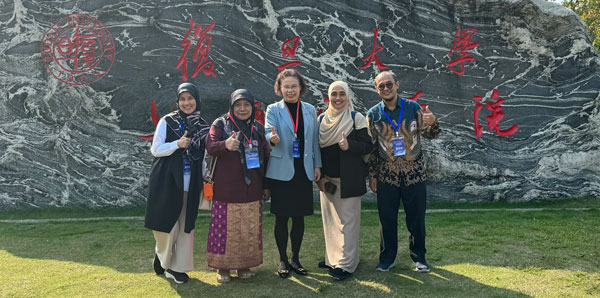
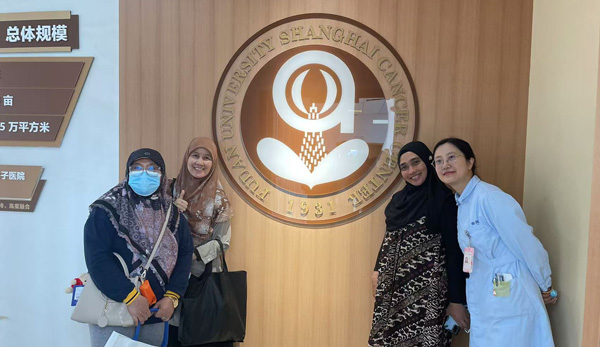
Given the differing cultural perspectives and resource availability, Shanghai (China), Dali (China), and Jakarta (Indonesia) were selected as research sites to assess localised adaptation practice. The primary aim was to identify and address key barriers and facilitators to implementation in cross-cultural contexts, establish a scalable and sustainable symptom management model, and facilitate the implementation and application of evidence-based nursing within diverse cultural contexts. Changes in practitioners' knowledge, attitudes and practices related to symptom management will be assessed.
“We hope that this project can create a replicable, culturally adaptive model to translate evidence into action for patients worldwide,” said Prof. Hu.
Implementing the evidence
The 8 audit criteria were developed from a JBI evidence summary, encompassing risk assessment, symptom assessment, prevention, pharmacotherapy and non-pharmacotherapy interventions, health education, and regular monitoring.
In Shanghai, the baseline audit revealed that 4 out of the 8 criteria had a 50% adherence rate, i.e., annual bone mineral density assessment, patient instruction on calcium and vitamin D supplementation, health education incorporating digital health tools, and promotion of exercise. However, less than 50% of nurses assessed patients’ risk of musculoskeletal symptoms, and even fewer utilised a professional scale for symptom assessment. Furthermore, pharmacotherapy and non-pharmacotherapy prescriptions and regular symptom monitoring were not performed.
Project challenges
Project challenges mainly lay in three areas: cultural adaptability, implementation gaps, and sustainability and monitoring.
The first challenge the project encountered was the clash between cultural beliefs and evidence-based practices. In some regions, patients showed low acceptance of standardised interventions, and the tension between deeply held cultural beliefs and evidence-based practices hindered the continuity of the initiative. In some communities, patients viewed standardised interventions as dismissive of traditional healing practices. To address this, the project made culturally sensitive adjustments to the intervention format while preserving its core elements, ensuring adaptability without compromising efficacy. For example, for communities that expressed religious concerns about physical therapy, physical exercises were adapted with religious breathing techniques.
Prof. Hu and her team employed a number of strategies for evidence-based practice in a multicultural context. Together, they developed a mobile application that enabled consistent intervention, monitoring and outcome evaluation. The multilingual app features symptom assessment, exercise intervention, drug management, dietary nutrition education, and psychological support functionalities. Nurses could use this app to deliver health education about musculoskeletal symptoms, instruct patients to participate in exercise, and regularly monitor patients for musculoskeletal symptoms.
However, the mobile apps, though efficient, were inaccessible in areas with unreliable internet or low smartphone penetration. Clinics in remote regions lacked basic equipment for symptom assessments, leading to inconsistent data collection. To address this barrier, the project developed multilingual printed materials, complemented by localised explanations and guidance from practitioners, which significantly improved the usability of the tools. The multilingual, culturally appropriate intervention materials included intervention guides for clinicians and patients; a questionnaire on nurses’ knowledge, attitude, and practice in managing musculoskeletal symptoms; as well as a symptom diary. They held regular video conferences and/or several training sessions to ensure smooth information flow and collaboration.
Another challenge involved differences in resources and procedures across the three centres. Some centres experienced equipment shortages, making it difficult to conduct standardised baseline assessments. To overcome this issue, alternative clinical evaluation indicators were used to supplement key data, ensuring that assessments remained robust and consistent despite resource limitations. These adjustments helped bridge gaps in implementation.
“A one-size-fits-all approach ignores culture,” explained nurse Yuling Cao. “Adaptation, not compromise, was key,” Prof. Hu noted.
Demonstrating impact with evidence
The project is currently in progress, with promising preliminary outcomes emerging from the pilot program and initial clinical feedback.
Patients have reported subjective improvements in self-monitoring of symptoms and exercise adherence. One patient said, “Each morning, my finger is stuck in a bent position. If I try to straighten it, it hurts and feels like it's full or swollen. Lately, the straightening motion of my finger doesn't cause much pain.” Another patient said: “There was a little improvement in hand swelling and numbness.” One patient shared: “I now follow it every day, like a little teacher to supervise me, every time is a lot of sweat.” These results underscore the project's potential to enhance patient engagement and symptom management.
Sustainability and next steps
The project team is committed to ensuring the long-term implementation of evidence-based practices in a multicultural context. To achieve this, the team will continue to leverage the preliminary multi-centre collaboration mechanism and standardised practice pathways. More patients will be enrolled, and dynamic changes in key indicators such as grip strength, joint function, and bone density will be continuously monitored to assess intervention outcomes. A follow-up audit will be conducted in Shanghai to assess changes against the audit criteria.
The project has already completed baseline assessments of practitioners’ knowledge, attitudes, and practices related to musculoskeletal symptom management. The data will be analysed to gain deeper insights into the current status.
Additionally, semi-structured interviews have been conducted with practitioners to explore role transitions, collaboration mechanisms, and the facilitators and barriers encountered during evidence implementation. These interviews will be expanded to include more practitioners in the next phase. By combining quantitative and qualitative data, the project will systematically evaluate the effectiveness of the implementation at both the practitioner and organisational levels. This evaluation will focus on four key dimensions: acceptability, adaptability, feasibility, and implementation quality, ensuring a comprehensive understanding of the project’s impact. “Our vision is simple,” Prof Hu concluded. “No patient should choose between surviving cancer and living with dignity.”
Conclusion
From Shanghai’s skyscrapers to Jakarta’s coastlines and Dali’s mountains, this project proves a simple truth: “Evidence is not a rigid protocol but a language of care,” says Prof Hu Yan. When the team listens to patients’ daily struggles and refines tools for real-world needs, evidence gains cultural relevance and human warmth. The team aims to build a "cross-cultural evidence ecosystem," ensuring that every breast cancer patient, wherever they are, can regain control of their lives through evidence-based care.
Takeaway messages
Listen before acting: Cultural context shapes every intervention.
Innovation meets tradition: Blending technology with local practices ensures inclusivity.
Nurses drive change: Invest in their training to sustain impact.
To link to this article - DOI: https://doi.org/10.46658/JBIIM-25-05
Authors
Yu Chen1,2,3, Yuling Cao1,2,3, Yan Hu1,2,3
1. Fudan University, School of Nursing, Fudan, China
2. Shanghai Evidence-based Nursing Centre, China
3. JBI Fudan Centre for Evidence-based Nursing, University of Adelaide, Australia