
One Million More Midwives
Strengthening the global midwifery workforce through evidence-based care
International Day of the Midwife 2026 carries a clear message: the world needs around One Million More Midwives. Led by the International Confederation of Midwives (ICM), the theme highlights a critical global workforce shortage and growing pressure on maternal and newborn health services.
International organisations, including WHO, UNFPA, UNICEF and ICM have also called for coordinated global action to improve midwifery education and workforce capacity through their Framework for Action to Strengthen Midwifery Education.
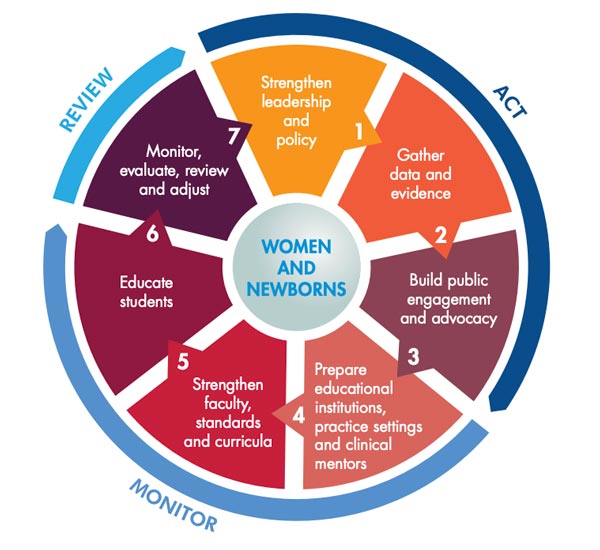
Image: The Framework for Action to Strengthen Midwifery Education
As Anna af Ugglas, Chief Executive of the International Confederation of Midwives, notes: “This is not a future risk. It is a present reality. Nearly one million midwives are missing globally… This is not only a workforce issue— it is a quality and safety issue for women and babies.”
Too many women and newborns still die from preventable causes during pregnancy and childbirth, and data from 181 countries estimate a global shortfall of approximately 980,000 midwives. However, the call is about more than workforce numbers alone. It also highlights the need to ensure every midwife is equipped with the best available evidence, education, and support to deliver safe and effective care.
Advancing midwifery education is central to achieving universal access to maternal and newborn care and progressing the Sustainable Development Goals. Expanding access to care remains essential, but improving the quality of that care has an even greater impact on reducing preventable deaths and improving health outcomes (WHO).
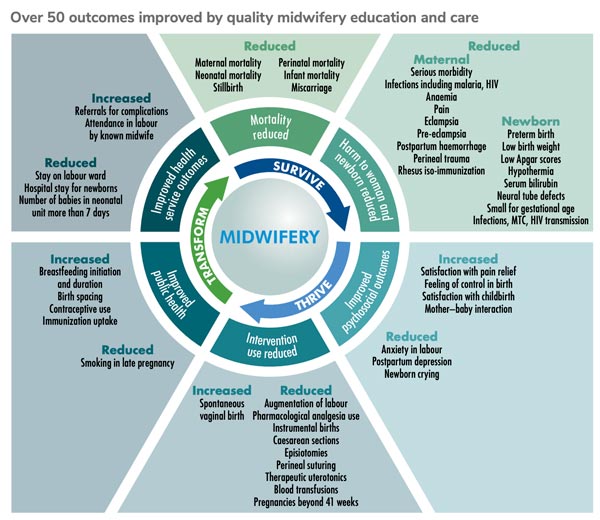
Image: STRENGTHENING QUALITY MIDWIFERY EDUCATION for Universal Health Coverage 2030
Alexa McArthur, Registered Midwife and Senior Research Fellow in JBI Implementation Science, adds: “Midwifery is a profession built on equality, autonomy and partnerships. Across our JBI Collaboration, JBI supports midwives all over the world to access and apply evidence to provide high-quality care.”
JBI’s work aligns closely with the IDM2026 global agenda through the promotion and support of evidence-based decisions that improve health and health service delivery. Midwives cannot consistently practise to their full scope without being equipped with evidence-based research that is rigorous, accessible, and relevant to clinical care.
Several recent JBI research articles reflect this focus.
Preparing future midwives
A JBI Qualitative Systematic Review exploring midwifery students’ perceptions and learning experiences during clinical practice found that supportive clinical learning environments, tailored learning approaches, and effective mentoring are essential to preparing future midwives. Improving clinical learning environments and education helps build a more confident and capable workforce, improving readiness for practice and supporting the long-term sustainability of midwifery services.
Supporting full scope practice
A JBI Scoping Review examining the role and scope of midwives and registered nurses in acute early pregnancy care identified inconsistencies in how midwives are utilised across services. The review highlighted how embedding midwives more consistently across care settings could improve timely, supportive care for women and families, while enabling midwives to work more fully within their professional scope of practice.
Improving antenatal psychosocial care
A JBI Best Practice Implementation Project focusing on antenatal psychosocial assessment demonstrated substantial improvements in evidence-based practice among midwives. The project improved midwife compliance with antenatal psychosocial assessment recommendations from 0% to 91.5%, helping strengthen the identification and support of mothers experiencing psychosocial challenges during pregnancy.
Advancing perinatal mental healthcare
Another JBI Best Practice Implementation Project achieved significant improvements in perinatal mental healthcare through the introduction of new midwifery champion roles and ongoing professional development initiatives. The project demonstrated how implementation strategies and targeted professional development support can translate research into sustainable changes in clinical care.
Evidence in action
JBI’s Helping Babies Breathe impact story demonstrates the importance of evidence-based education and training in advancing midwifery practice and newborn care. The program supported timely lifesaving interventions for newborns while building the confidence and capability of midwives delivering care in practice settings.
Supporting safer maternal and newborn care

Together, these projects reflect how high-quality evidence can improve midwifery practice and maternal and newborn care across diverse settings.
This International Day of the Midwife, JBI celebrates the leadership, compassion, and expertise of midwives worldwide—and the vital research that supports their work in delivering safe, high-quality care.
The call for one million more midwives reflects the need for sustained investment in the people, education, and systems that underpin safe maternal and newborn care. When midwives are supported to practise to their full scope and equipped with the best available evidence, outcomes improve for women, newborns, families, and communities around the world.