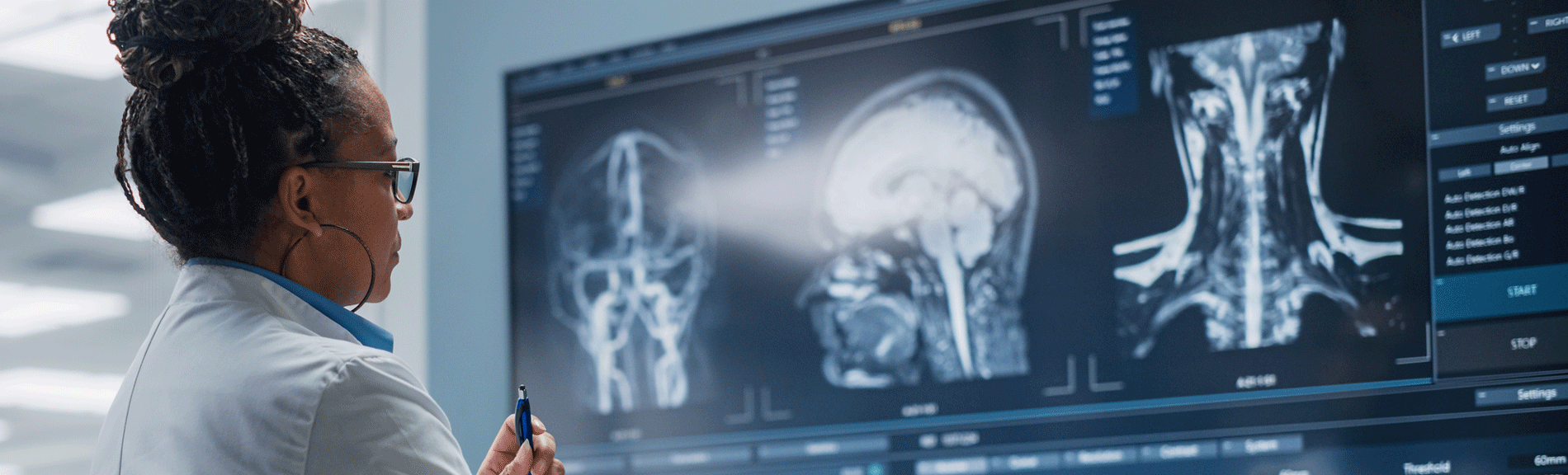
Nervous System EBP Resources
This month, JBI features the Nervous System specialty field in the JBI EBP Database, highlighting free access resources
To mark World Brain Day, and the 2025 theme, 'Brain Health for All Ages', JBI features the Nervous System field from the JBI EBP Database and offers free access to neurological evidence-based practice resources.
The JBI EBP Database Nervous System specialty field offers 340+ evidence-based resources, including 300 Evidence Summaries, 38 Recommended Practices and 5 Best Practice Information Sheets, covering a range of neurological conditions such as dementia, Parkinson’s disease, cerebral palsy, multiple sclerosis and muscular dystrophy, among others.
These resources provide the latest summary of research, guidelines, and best practices to inform clinical decision-making at the point of care and improve patient outcomes. From diagnosis to treatment and management, the resources offer a valuable foundation for health care professionals seeking to deliver high-quality, evidence-based care to individuals with neurological conditions.
This month we are excited to feature three free-access resources from the Nervous System field. These resources are available for healthcare professionals to implement best practices and enhance health outcomes across the many areas of neurological management.
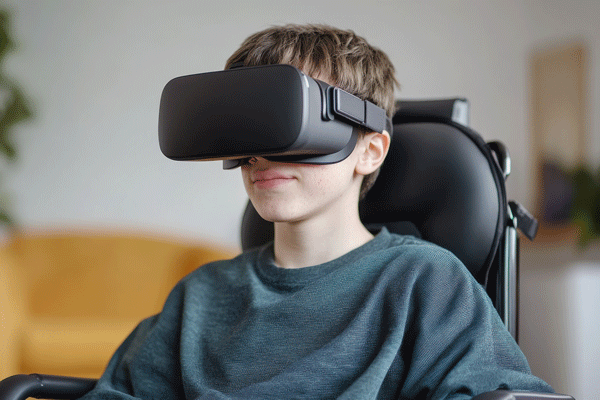
Rehabilitation for individuals with cerebral palsy (CP) can improve mobility and independence with self-care, leading to improved quality of life and greater social engagement. Virtual reality (VR) rehabilitation—utilising computer-generated, interactive simulations—provides users with immersive experiences that closely mimic real-world environments and objects. A free-access JBI Evidence Summary provides the best available evidence regarding the effectiveness of virtual reality rehabilitation for cerebral palsy in children and adolescents.
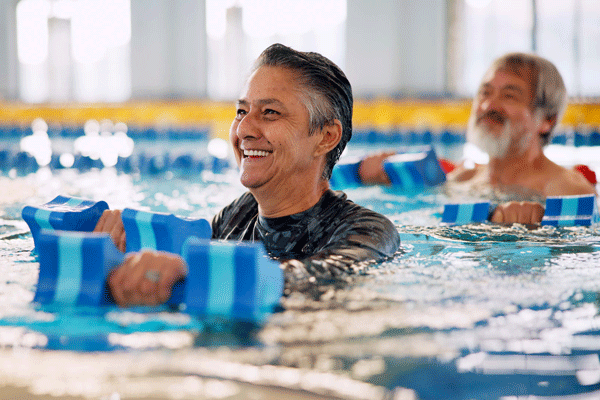
Various forms of exercise can benefit individuals with Parkinson’s disease by maximising functional abilities and slowing disease progression. These include aerobic workouts, strength training, and exercises focused on gait and balance. Engaging physical activities like yoga, dancing, and swimming can also be enjoyable and beneficial for many patients. Download the free-access JBI Recommended Practice, which provides a step-by-step guide on exercise prescription for individuals with Parkinson's disease, including recommended dosages for each exercise type.
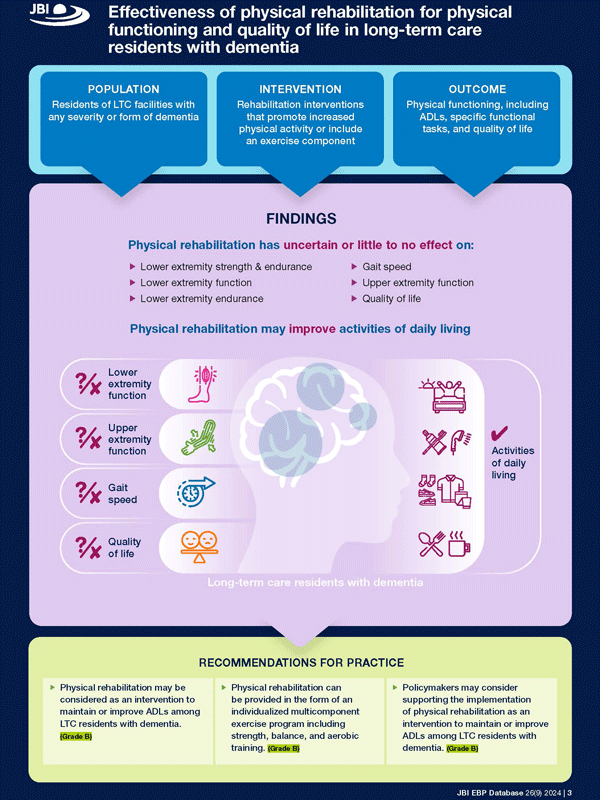
Many long-term care (LTC) residents live with dementia, which often leads to physical decline and reduced quality of life. While physical rehabilitation can support movement, improve function, and enhance quality of life, LTC residents with dementia are less likely to receive it than those without dementia. A free-access JBI Best Practice Information Sheet summarises a systematic review that examined the effectiveness of physical rehabilitation versus non-rehabilitation comparators for physical functioning and quality of life among long-term care (LTC) residents with dementia.
The JBI EBP Database offers 5,000+ up-to-date, evidence-based resources spanning more than 30 specialty areas, supporting healthcare professionals in implementing best practices and improving patient outcomes. It provides more Nursing and Allied Health content than any other clinical decision support product.
Additional JBI Resources
McArthur C, Alizadehsaravi N, Affoo R, Cooke K, Douglas N, Earl M, et al. Effectiveness of physical rehabilitation for physical functioning and quality of life in long-term care residents with dementia: a systematic review and meta-analysis. JBI Evid Synth. 2024; 22(8):1460-535.