Cape Town Consensus Meeting on transforming evidence synthesis to improve lives
Global gathering drives a new era for better, faster, and more inclusive evidence
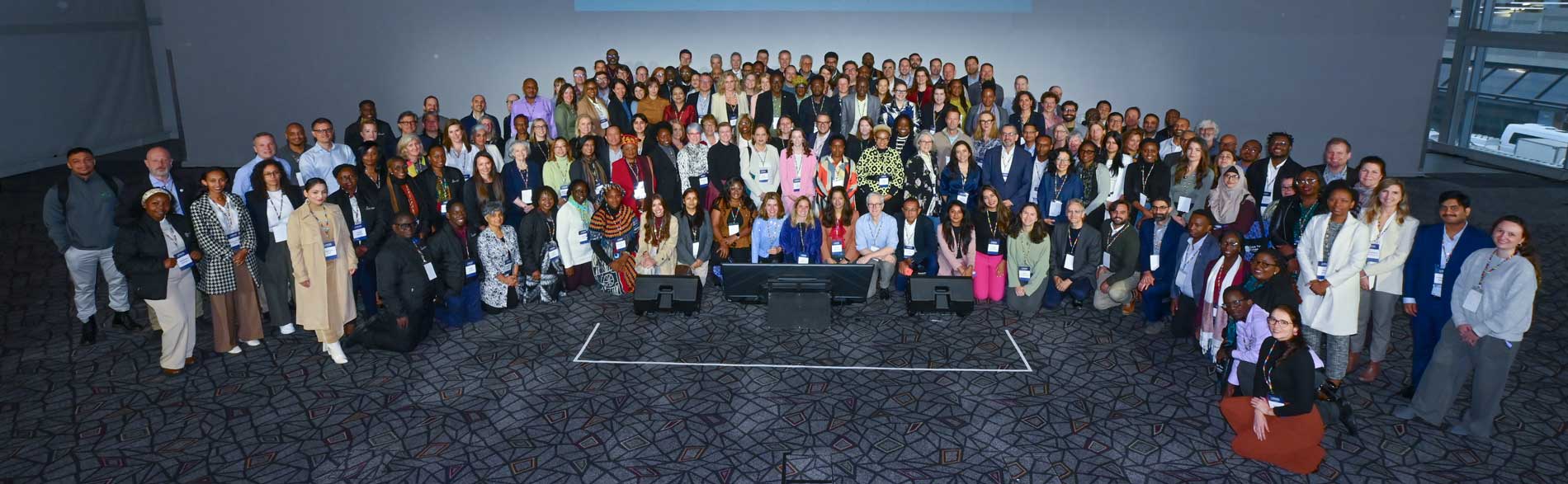
In Cape Town, South Africa , from 24 to 26 June 2025, a landmark event focused on transforming the way evidence is produced, shared, and applied to inform policy and practice.
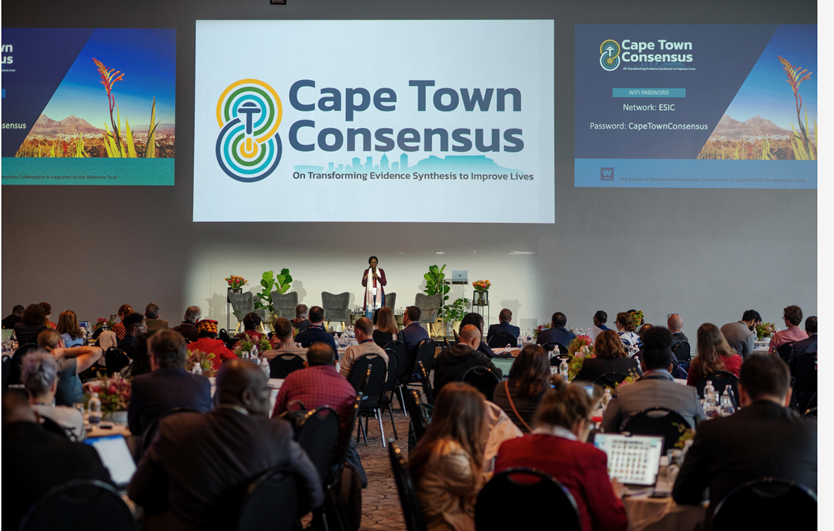
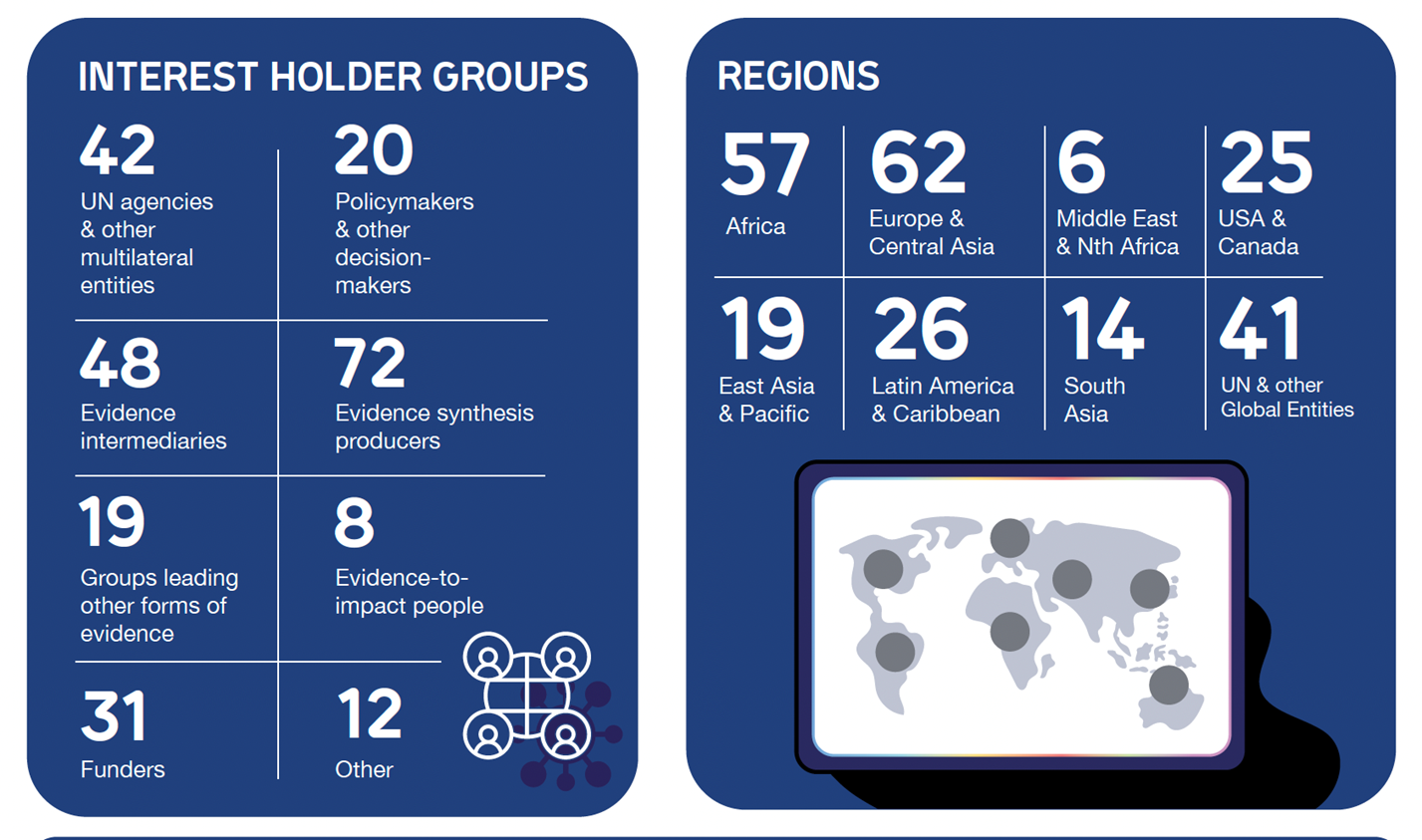
The primary aim of the meeting was to reach consensus on actionable strategies to transform evidence synthesis to improve lives worldwide. Participants included global thought leaders, early career researchers, policymakers, science advisors and representatives from multilateral organisations and citizen-serving NGOs.
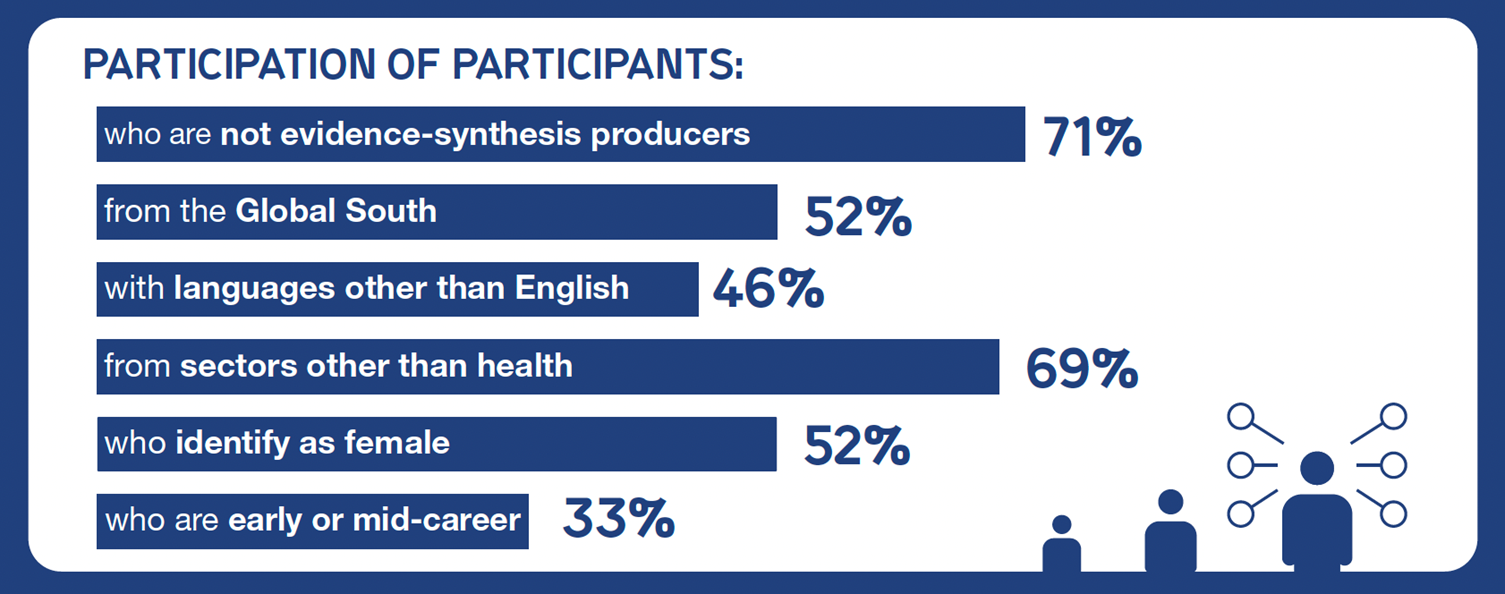
Robust and respectful debate and discussion focused on the Evidence Synthesis Infrastructure Collaborative (ESIC) roadmap. Supported by the Wellcome Trust, ESIC is positioned as a cornerstone of the future global evidence architecture and is built on a foundation of equity and ensuring inclusive participation across sectors, languages, and regions.
The ESIC roadmap was the result of a six-month collaborative planning process, which saw a strategic power shift to the Global South and involved hundreds of people from around the world.
A sense of shared purpose and excitement was especially evident as participants worked together to stress test and refine the ESIC roadmap.
Professor Zoe Jordan, Executive Director of JBI, described the meeting as “a truly history-making moment in evidence-informed policy and practice.” Reflecting on the collaborative atmosphere, she added:
“The sense of shared purpose, deep listening, and bold thinking in the room was unforgettable. It was humbling and energising to witness a collective commitment to building the infrastructure needed for better, faster, and more inclusive evidence to guide decisions that matter.”
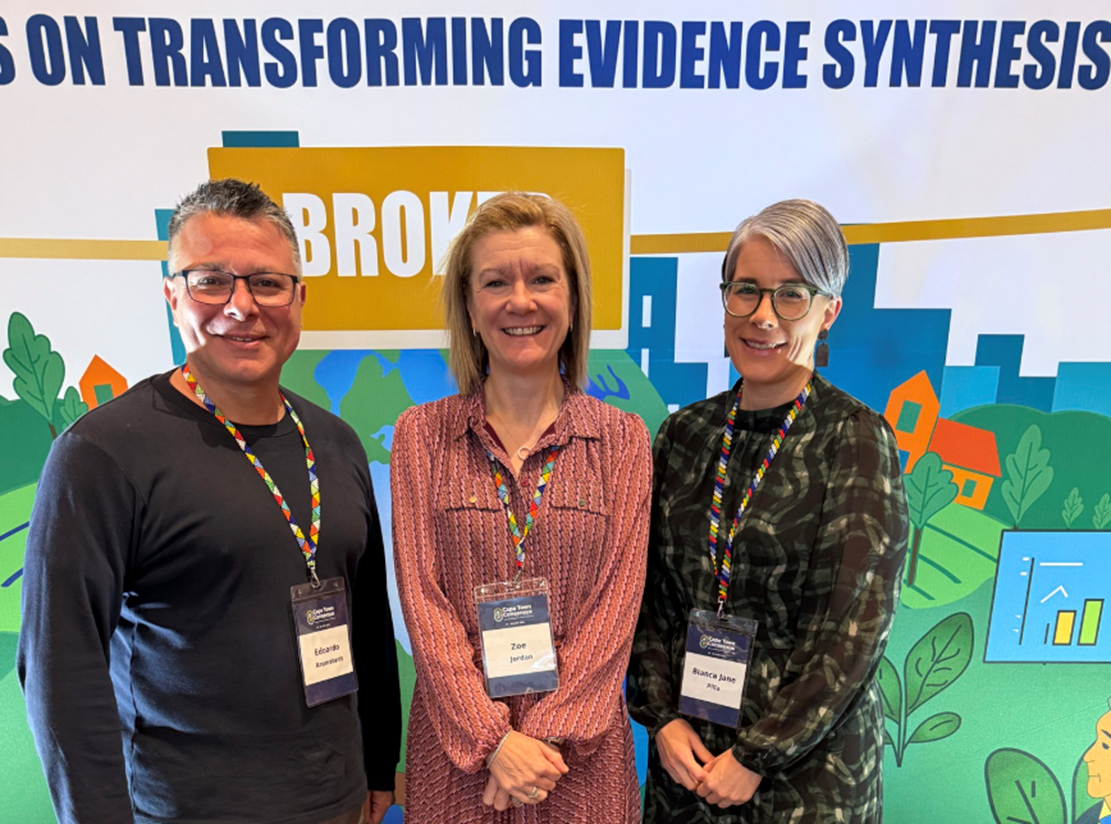
Bianca Pilla, Director of Global Relations at JBI, echoed this sentiment, highlighting the spirit of collaboration:
“There was a real sense of enthusiasm and determination to drive meaningful change. The goodwill and excitement around cross-sector, cross-region collaboration were palpable.”
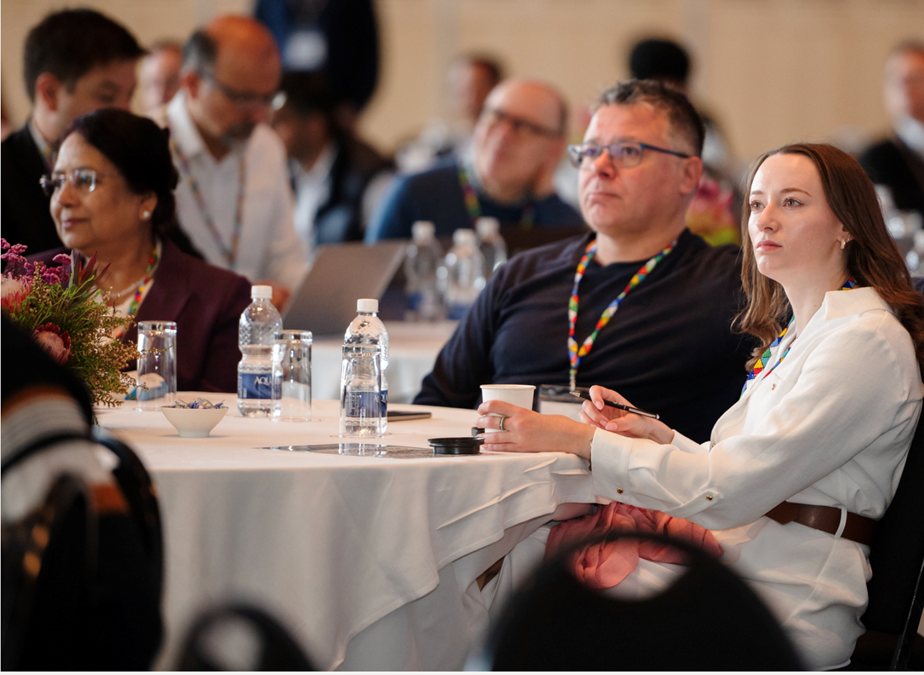
The meeting concluded with the adoption of the Cape Town Consensus Charter, which reaffirms a global commitment to transforming evidence synthesis. The Charter outlines five strategic steps and embraces the "SHOW ME the evidence" principles, ensuring that future efforts remain focused, actionable, and inclusive.
The Cape Town Consensus Meeting not only set a new standard for global collaboration but also laid the foundation for a future in which evidence serves as a powerful tool to drive equitable and effective decision-making worldwide.