Australia Awards Fellows Graduate in India
Strengthening health equity for tribal communities
A year of learning, leadership, and collaboration came to a powerful close in Kolkata yesterday for 15 mid-career health professionals, researchers, and policymakers from across India.
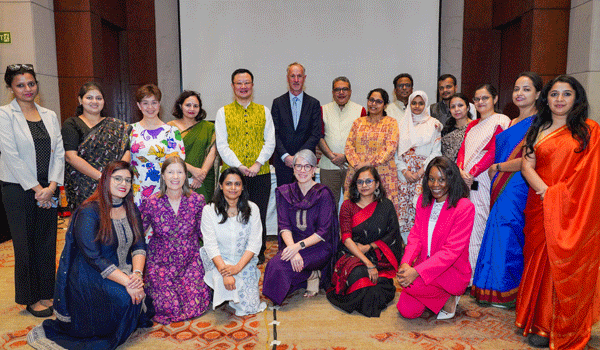
These professionals were part of the Australia Awards Fellowship, ‘Health Workforce Development in Evidence Implementation’, a collaborative initiative between JBI at the University of Adelaide, the Manbhum Ananda Ashram Nityananda Trust (MANT), and the Centre for Public Health Research (CPHR).
Designed to strengthen India’s national capacity for evidence-based, culturally appropriate health interventions, the Fellowship focused on addressing the unique healthcare needs of India’s tribal communities—a marginalised group currently facing a quadruple burden of diseases.
“Communicable diseases are a huge issue, still now, in tribal communities, so it is quite imperative that we work in these areas,” said Dr Nirmalya Mukherjee, Australia Awards Fellow and Co-Director of JBI Evidence-Based Indigenous Health India. "JBI helps us strengthen a pillar that is often missing in policy making. They give us a structured way to generate, appraise, and present evidence that can actually support decisions. In environments where policy is shaped by politics, finance and external pressures, having a rigorous and transparent evidence base becomes even more important."
Dr Bhumika Venkatesh, Director General of Campbell South Asia and fellow Australia Awards participant, added that the Fellowship provided a rare opportunity to gain firsthand insight into conditions in these marginalised regions. “Through this experience, we worked with tribal communities, addressed their challenges, helped them cope with ongoing issues, and introduced interventions that enabled them to better access healthcare services.”
An inspiring conclusion
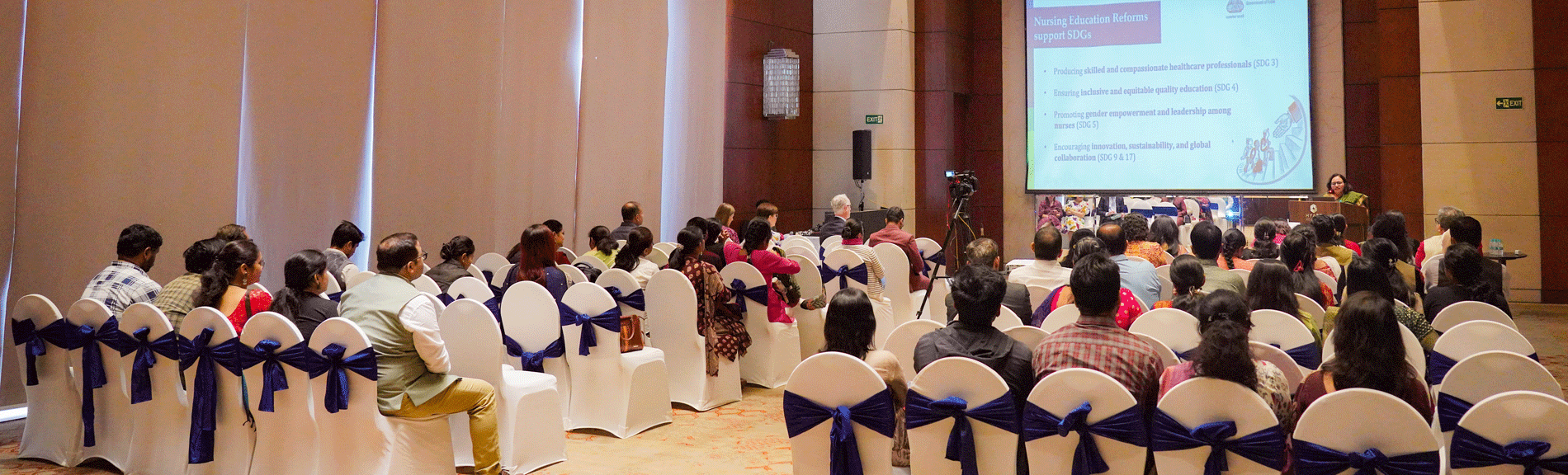
The Fellowship culminated in a Symposium and Graduation Ceremony at the Hyatt Regency, Kolkata, on 13 November, bringing together Fellows, mentors, academics, and public health leaders to celebrate the conclusion of the Fellowship and the transformative potential of evidence implementation.
Fellows presented findings from their year-long implementation projects spanning maternal and child health, mental health, nutrition, and primary care access for tribal communities. Their presentations demonstrated the practical impact of translating evidence into action, highlighting the importance of equity, intersectionality, and community-led approaches in designing sustainable health interventions.
Keynote speakers included Ms Kavita Khasa, Deputy Nursing Advisor at the Ministry of Health and Family Welfare, Government of India, who spoke about educating nurses for tomorrow, and Dr Mary Silubonde Moyana, Program Operations Officer, Research & Innovation, at the World Health Organization South-East Asia Regional Office, who discussed leveraging evidence-based health interventions to address tribal health inequities and strengthen local health systems for equity.
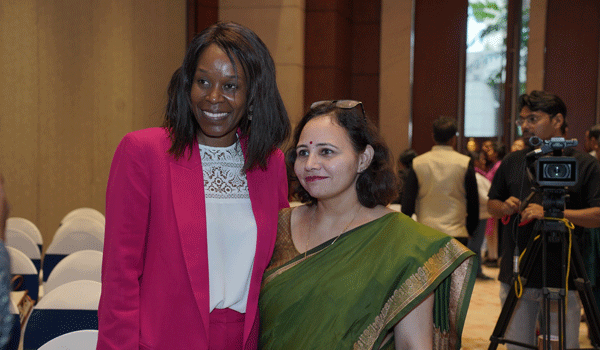
Panel discussions and networking sessions provided opportunities for Fellows and delegates to connect with policymakers and experts, building pathways for continued collaboration and knowledge exchange.
“When institutions come together with mutual respect and a shared vision, the results are extraordinary. This partnership wasn’t just about projects; it was about trust, humility, and collective wisdom, proving that collaboration is the cornerstone of sustainable change”, said Dr Moyana.
Reflecting on the Fellowship experience, Alexa McArthur, JBI Implementation Science Senior Research Fellow, added: “The learnings and exchange of cultural insights into how we partner with Indigenous communities, both in India and Australia, was a real highlight that will have lasting impact. The opportunities for Fellows to learn about evidence implementation and apply it in practice through their projects has built both capacity and skills.”
Over the past 12 months, the Fellows have developed and implemented locally driven projects that combine global best practice with cultural understanding and community participation, paving the way for sustainable improvements in healthcare delivery for India’s tribal populations.
The culminating event closed with a Graduation Ceremony officiated by Kevin Goh, Australian Consul General in Kolkata, who congratulated the Fellows for their dedication and leadership in advancing equitable healthcare.
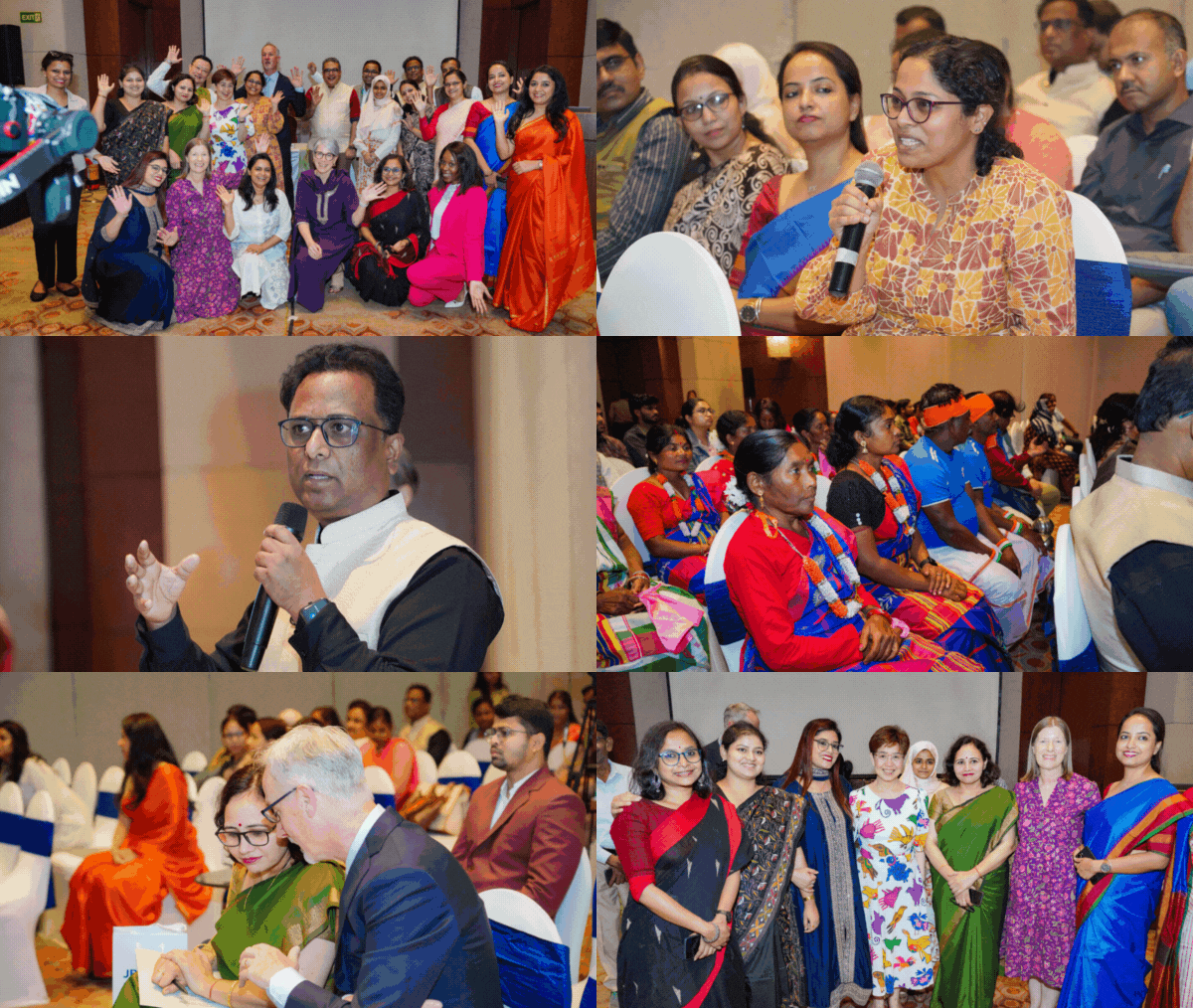
Collaborating for impact
The Fellowship’s impact extends beyond individual capacity building. By embedding evidence implementation into local systems and strengthening institutional ties between Australia and India, it has laid the groundwork for ongoing collaboration and long-term reform in health equity and workforce development.
Funded by the Australian Government through the Australia Awards, the program exemplifies how international partnerships can empower professionals to drive evidence-based, inclusive, and contextually grounded change.
As the Fellows return to their organisations and communities, they do so as agents of change—equipped with the knowledge, tools, and networks to continue improving health outcomes for India’s most marginalised populations.
“This experience has reaffirmed a powerful truth”, noted Dr Mary Moyana in her keynote presentation. “Collaboration is not just working together; it’s respecting diverse perspectives to achieve shared goals. When that happens, transformation is inevitable.”
About Australia Awards
Australia Awards are prestigious international Scholarships and Fellowships funded by the Australian Government. Australia Awards Fellowships aim to build networks of influence and leadership by strengthening partnerships between Australian organisations and partner organisations in the region.
Fellowships target senior and mid-career officials and professionals who can advance development outcomes in priority areas and increase the institutional capacity of partner countries through their leadership.
Additional Resources
Watch the Indian Fellows share deeper insights into their implementation projects in the Australia Awards playlist on the JBI YouTube channel.